
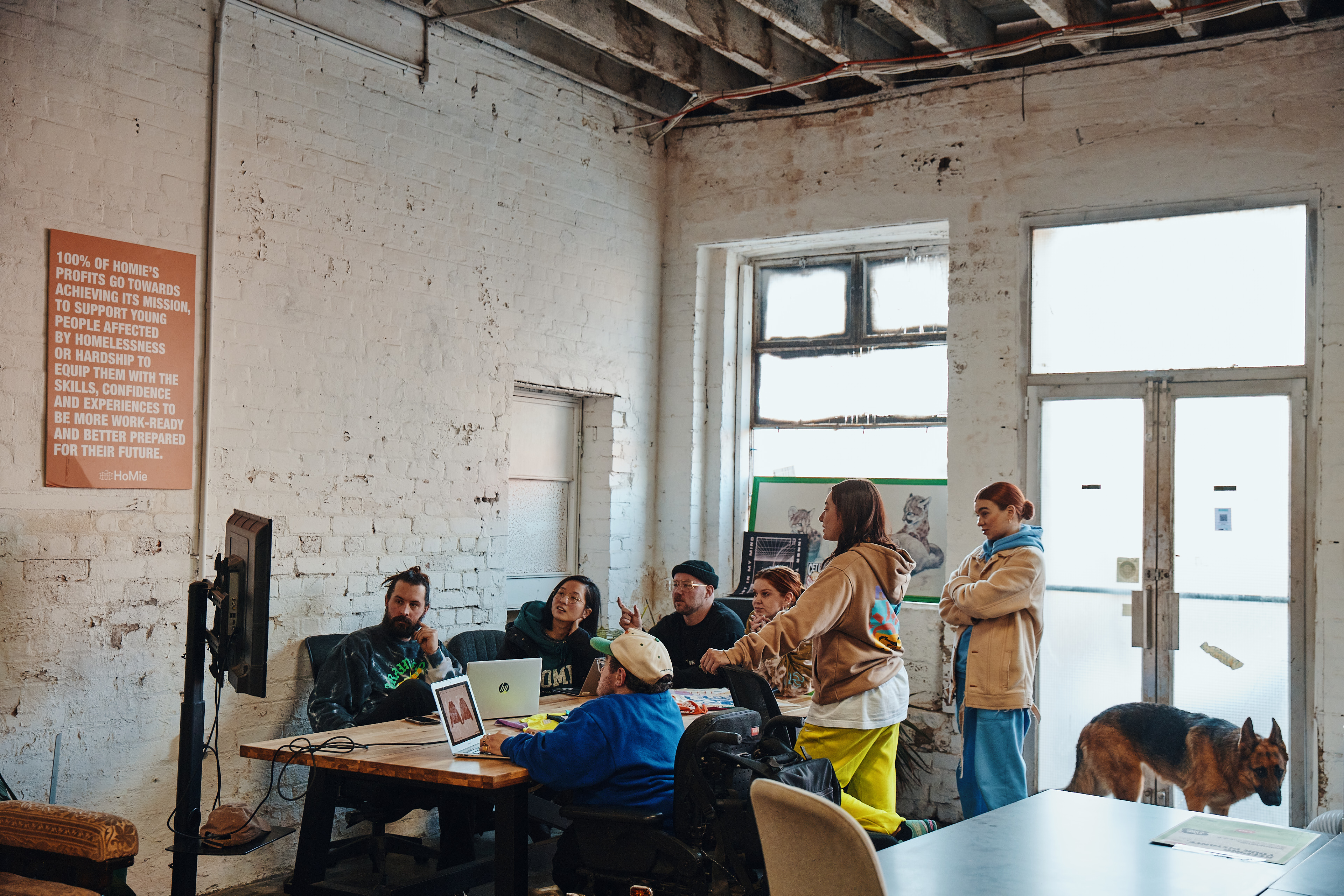
Understorey have created an incredible resource for new and upcoming social enterprises to better understand the sector.
It not only defines key terms that you’ll hear, but serves as a great starting point to understanding the areas of activity, types of actors and their role in the sector in driving positive change.
It is broken down into 14 areas of activity:
- Advocacy and promotion
- Efforts to raise awareness, build support, and influence policies in favor of social enterprise development.
- Economic development support
- Initiatives and programs designed to stimulate social and economic development, often with a focus on specific regions and disadvantaged communities.
- Education
- Educational programs, courses, and resources that build skills, capacities, and knowledge for individuals engaged in the social enterprise sector.
- Events and meet-ups
- Gatherings that bring social enterprise stakeholders together for learning, networking, and collaboration.
- Funding and investment
- Allocation of financial capital to social enterprises through various instruments such as grants, loans, equity investments, and impact investing.
- Hubs and spaces
- Physical locations that provide infrastructure, resources, and community for social enterprises and entrepreneurs.
- Impact measurement and management
- Tools, frameworks, and practices used to assess, monitor, and report on the social and environmental impact of social enterprises.
- Incubators, accelerators and ideation programs
- Structured programs that support the development and growth of early-stage social enterprises through mentorship, resources, and networks.
- Marketplaces
- Platforms and mechanisms that connect social enterprises with customers to facilitate trade. Customers may be retail, business-to-business, public sector procurement, or outcome purchasers. Also, largescale buyers who can create and shape markets through their procurement strategies.
- Networks and communities
- Formal and informal groups that connect social enterprise stakeholders to share knowledge, resources, and support.
- Policy and regulation
- Government policies, laws, and regulations that create an enabling environment for social enterprises to operate and thrive.
- Research, data and knowledge bases
- Activities that generate, collect, steward, and disseminate information and insights about social enterprise practices, impacts, and trends.
- Standards and certification
- Frameworks and accreditation systems that define and validate social enterprise practices and impacts.
- Technical and professional advisory
- Provision of specialised expertise and support services to help social enterprises operate effectively and scale their impact.
Browse other resources


Browse by category:
View our latest resources:
- Social Change Central – A Gateway for Social Enterprises
- Impact Investing Australia – Impact Intermediaries
- Seedkit – An Impact Reporting Tool
- Guidelines for Social Enterprise
- Social Enterprise Fundamentals Workbook
Leave a Reply